






State attorneys and legal counsel of The Gambia holding court wigs and official dossiers
Photo: Ministry of Justice / Post-TRRC Unit Record
Attorneys in full judicial robes walking in the High Court precinct
Photo: Judiciary of The Gambia Record
High Court of The Gambia main entrance
Photo: High Court of The Gambia / Post-TRRC Record
State counsel arriving for judicial proceedings
Photo: Ministry of Justice / Post-TRRC Unit Record
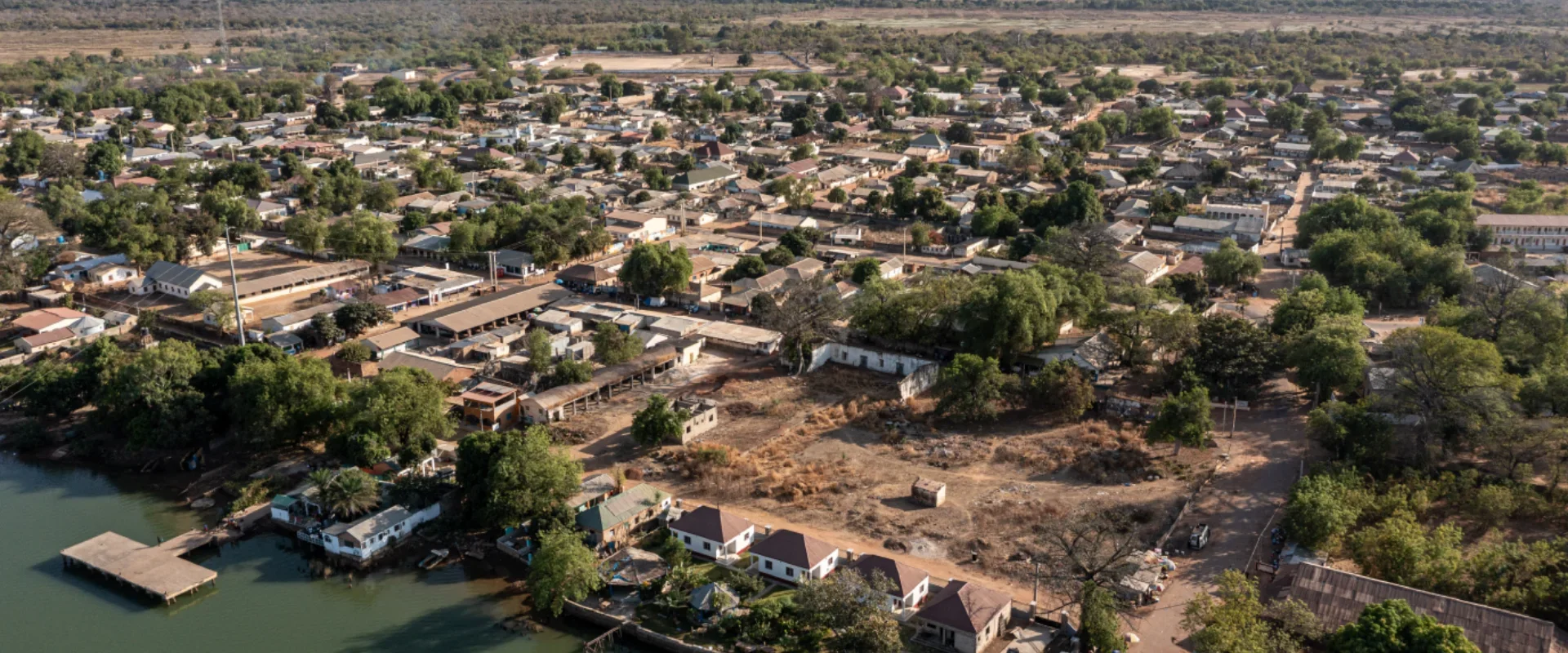
Aerial landscape view of Banjul and The Gambia
Photo: Post-TRRC Unit Aerial Record

The Gambia's Journey Towards Accountability, Reparations and Non-Recurrence

A future in which the violations of the past are neither forgotten nor repeated.

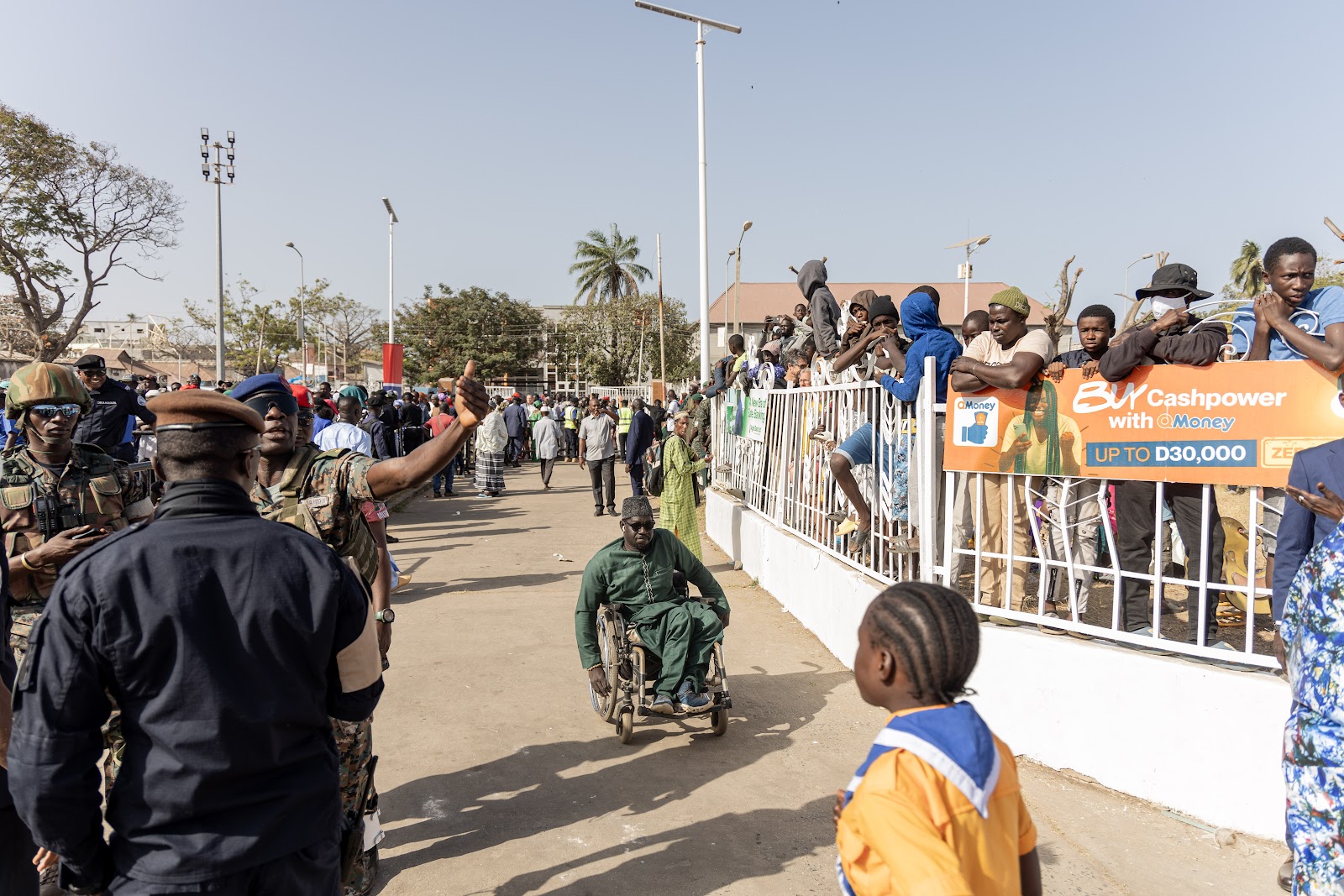
National multi-agency conference and stakeholders reviewing the TRRC Implementation Plan in Banjul
Post-TRRC Unit · Ministry of Justice Record

A National Commitment to Truth, Justice and Accountability

“A country’s past cannot be undone. But it can be confronted through acknowledged truth and irreversible institutional reform.”

With 263 TRRC recommendations accepted in the Government White Paper, the Post-TRRC Unit coordinates institutional delivery across prosecutions, victim reparations, and guarantees of non-recurrence.

Judicial Accountability and Due Process

Ending impunity requires independent, fair, and credible judicial proceedings. The Government has established the Special Prosecutor's Office and domestic Special Criminal Division to try perpetrators of grave abuses. In partnership with ECOWAS, an internationalized hybrid Special Tribunal is being operationalized to address extraterritorial crimes and uphold international fair trial standards.

High Court of The Gambia grand entrance with the Scales of Justice, representing accountability
High Court of The Gambia · Special Criminal Division Precinct
Reparations and clinical healthcare consultation for victims and survivors
Victims Reparations Fund · Clinical Care & Redress

Survivor Dignity and Comprehensive Reparations

Justice extends beyond courtroom prosecutions. Material compensation, specialized clinical treatment, and psychosocial recovery treat the whole person, restoring human dignity and economic livelihoods. Administered through the Victims Reparations Act 2023 and the independent Reparations Fund, transparent procedures guarantee that redress reaches validated survivor families across the country.

Decentralized Consultations and Community Voices

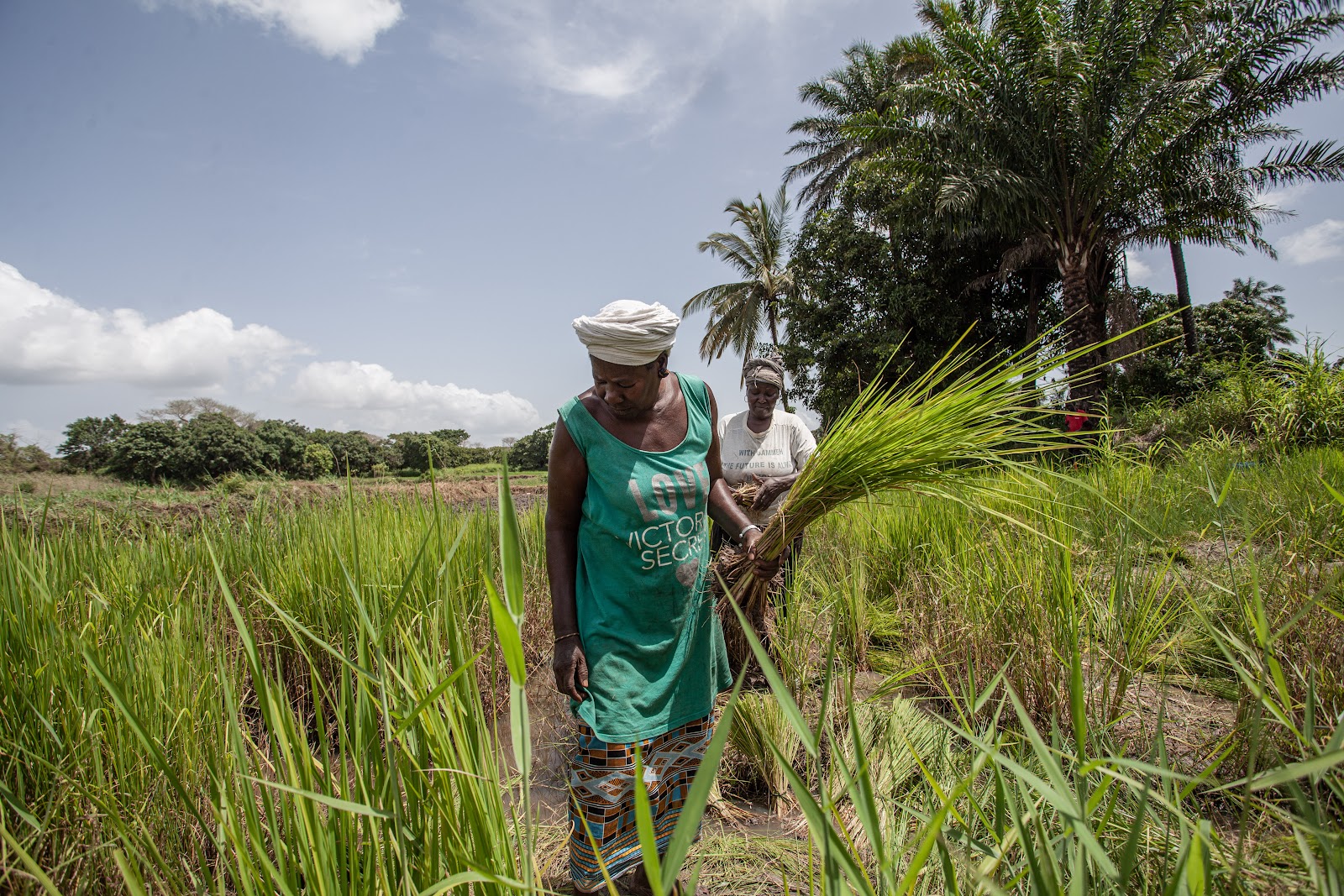
Meaningful transitional justice cannot remain confined to the capital. Nationwide regional townhalls ensure rural communities and survivors actively guide national implementation. Direct collaboration with the Association of Victim-Led Organisations (AVLO) guarantees continuous civil society oversight, victim agency, and community ownership across all seven administrative regions.

Victim community members, civil society representatives, and facilitators in dialogue
Community Dialogue & Townhall Assembly · Brikama
Security sector officials, police leadership, and counsel reviewing institutional reform
Security Sector Reform & Democratic Oversight · National Record

Institutional Reform and Guarantees of Non-Recurrence

Non-recurrence requires transforming state institutions from instruments of repression into rights-respecting bodies. Police and intelligence services are undergoing structural retraining and civilian oversight. Simultaneously, preserving the TRRC digital archives and monuments of conscience ensures historical truth is safeguarded so that human rights violations are never repeated in The Gambia.

In-Depth Stories & Policy Analysis

Explore comprehensive investigative essays, legal analyses, victim testimonial series, and institutional roadmaps documenting The Gambia's journey towards irreversible justice.

Delegates convening for the multi-agency TRRC Implementation Plan review in Banjul
Implementation • 8 min read • 29 October 2025

Inside The Gambia’s TRRC Implementation Plan

The Truth, Reconciliation and Reparations Commission documented the violations of the past and recommended measures to address their consequences. The Implementation Plan provides the framework for turning those recommendations into action.


Ministry of Justice headquarters in Marina Parade, Banjul, key implementing body
Implementation • 8 min read • 5 November 2025

Key Institutions Driving TRRC Implementation

Introduce institutions such as the SPO, Victims Reparations Commission, NHRC, ONS and other implementing bodies, explaining their mandates and how their responsibilities relate to the TRRC recommendations.

Victim community members, youth, and citizens participating in a national transitional justice rally
Victim Participation • 8 min read • 18 November 2025

Why Direct Victim Participation Matters

A transitional justice process cannot be understood solely through the laws enacted or institutions established. It must also be understood through the experiences, rights and perspectives of the people whose lives were affected by past violations.