The institutional landscape after the TRRC
The TRRC was a temporary truth-seeking commission. Delivering on its 263 accepted recommendations requires permanent, empowered state bodies operating within distinct legal frameworks.
Rather than centralising all tasks within a single ministry, The Gambia's model delegates specific functions to specialised institutions: prosecutorial bodies, reparations administrators, human rights defenders, and security sector leaders.
“No single institution can deliver transitional justice alone; credibility requires independent mandates with rigorous separation of powers.”
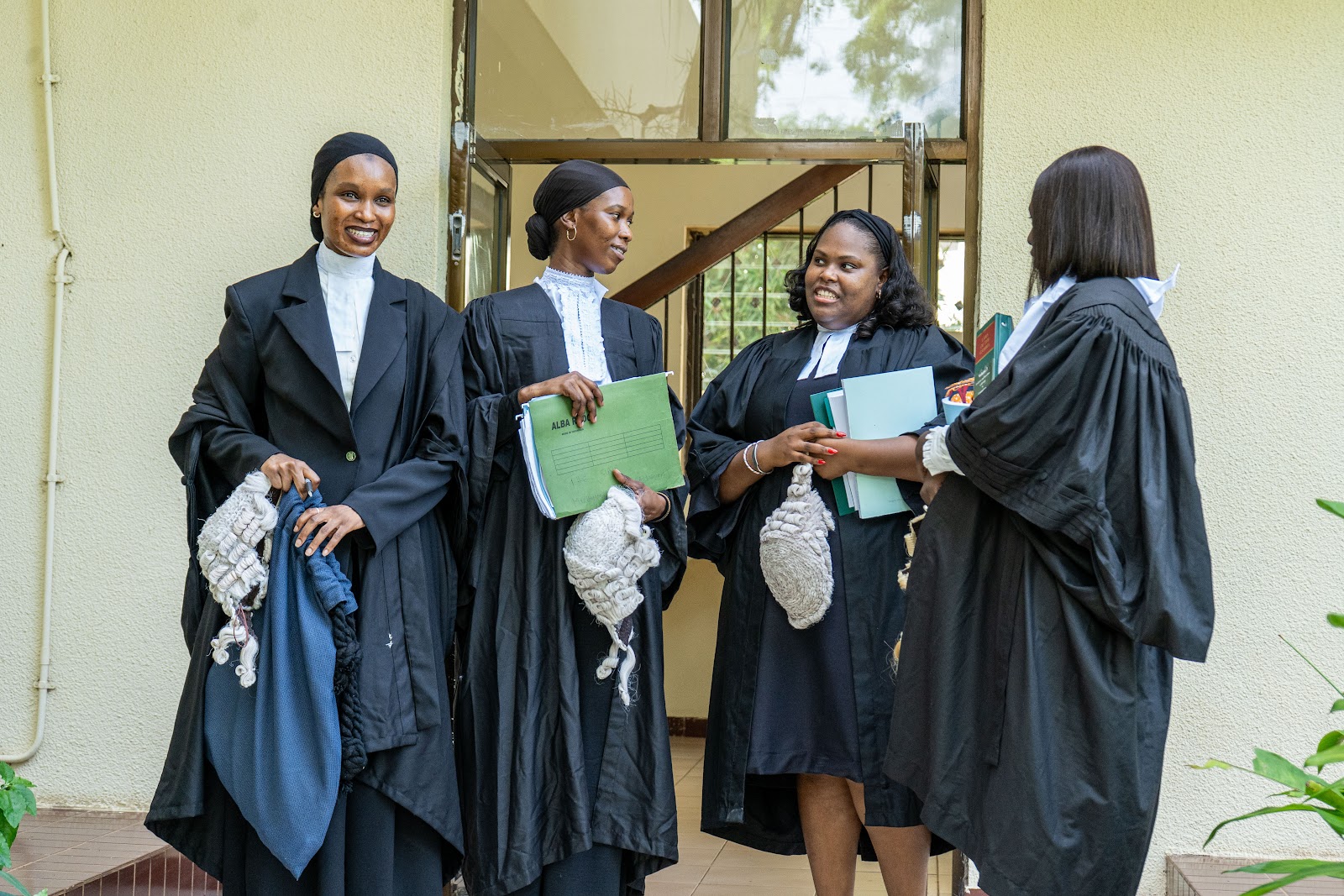
The Special Prosecutor's Office (SPO) and Special Tribunal
Established to pursue criminal accountability for gross violations, the SPO conducts independent investigations and prepares indictments for trial before the Special Tribunal and the Special Criminal Division.
Operating under international fair trial standards, its mandate ensures that perpetrators of torture, unlawful killings, and enforced disappearances face transparent legal reckoning.
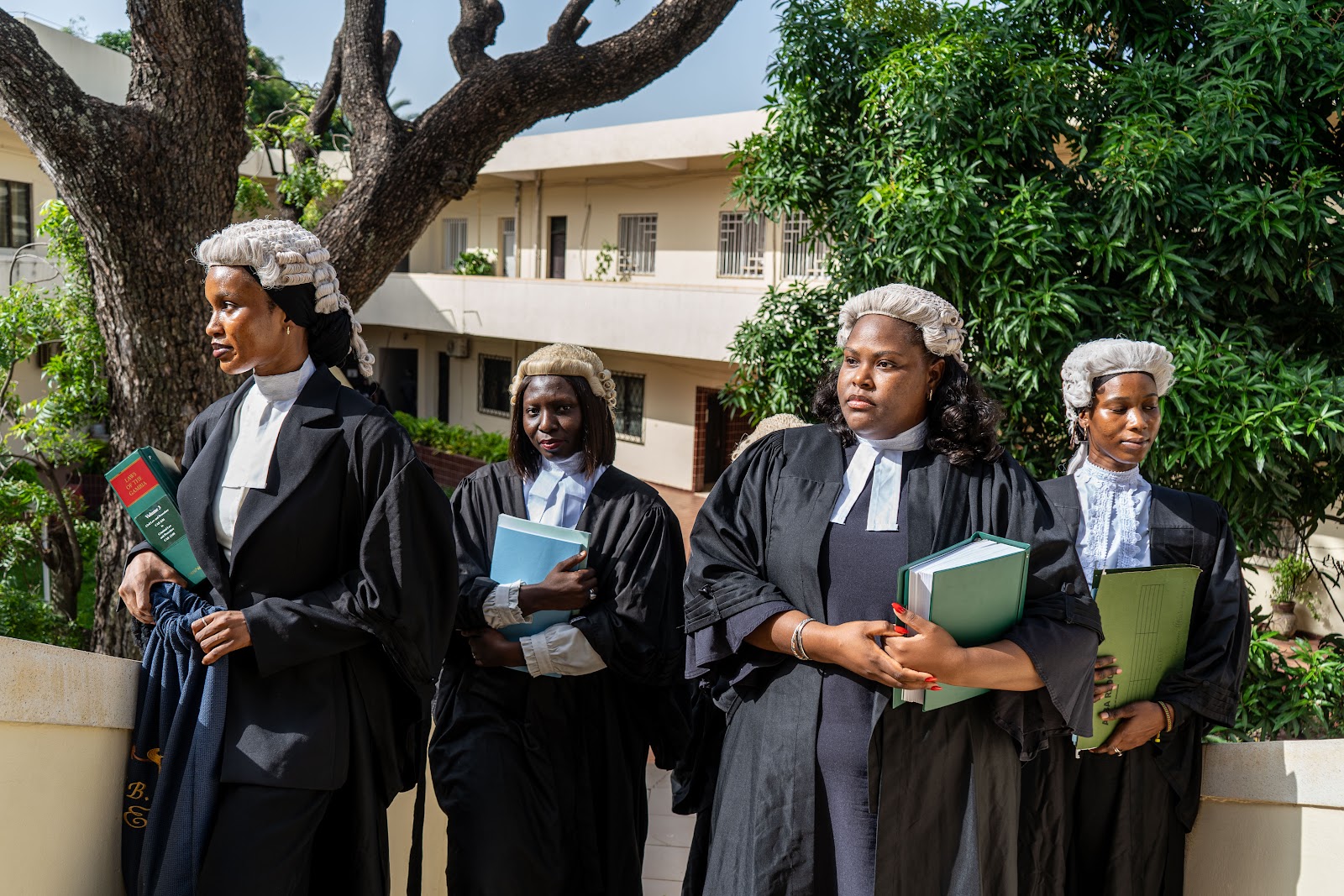
Victims Reparations Commission and NHRC
The Victims Reparations Commission operates the statutory Reparations Fund, verifying survivor claims and directing urgent clinical, psychosocial, and material support across all divisions.
Concurrently, the National Human Rights Commission (NHRC) acts as the independent national human rights institution, monitoring compliance with White Paper directives and publishing periodic evaluation reports.