Independent monitoring and civic awareness
Civil society organisations have been the conscience of The Gambia's democratic transition. From documenting abuses under the dictatorship to advocating for the TRRC, civic groups hold institutions to their promises.
In the post-TRRC phase, non-governmental organisations provide independent tracking of White Paper commitments, legal drafting assistance, and community-level human rights education.
“Transitional justice cannot rely solely on governmental machinery; it requires active civic vigil and independent media reporting.”
The decisive role of media actors
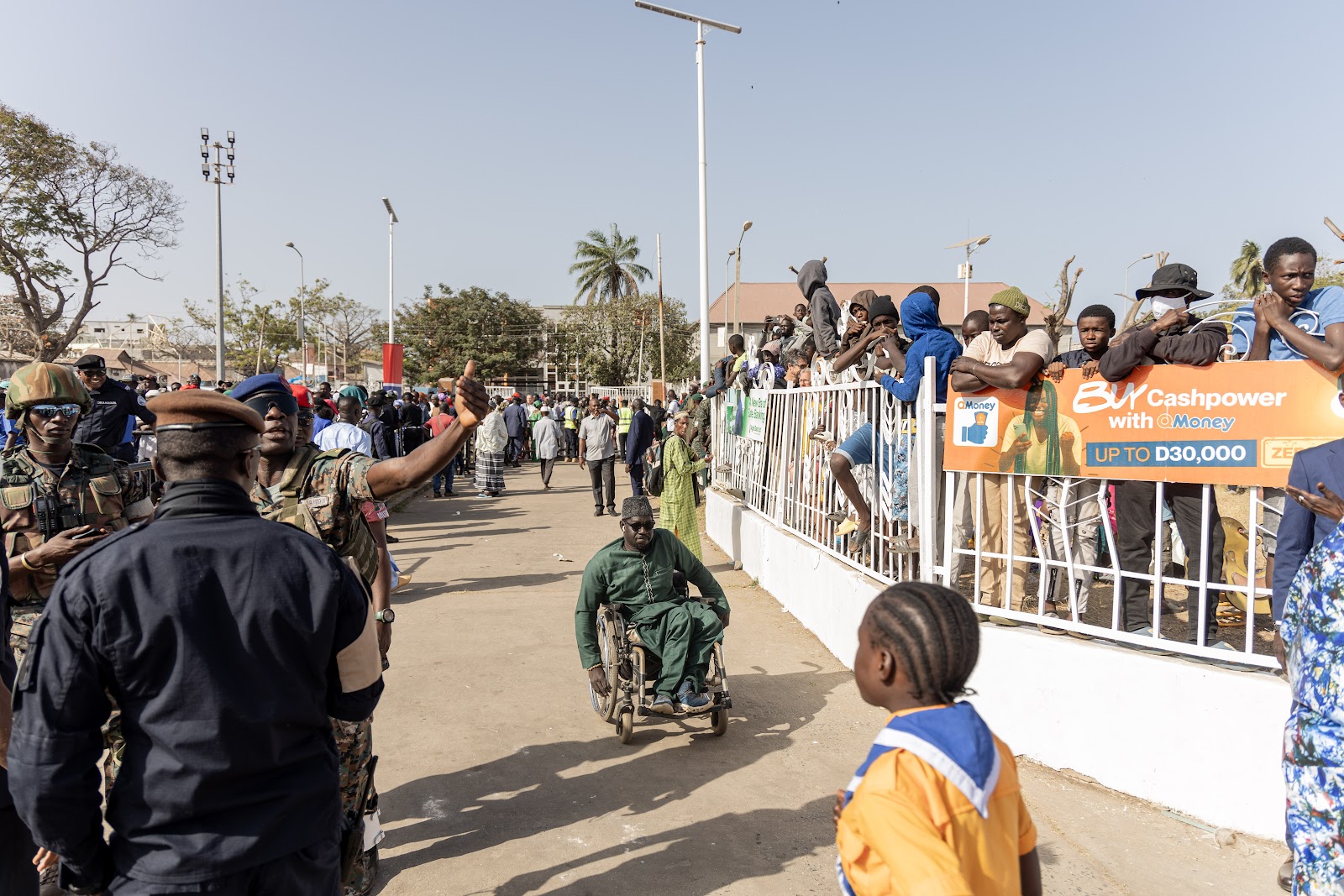
Journalists and community broadcasters ensure that technical legal proceedings, such as the Special Tribunal and Reparations Fund legislation, are explained clearly in Mandinka, Wolof, Fula, Jola, and other local languages.
Responsible investigative journalism discourages misinformation and maintains public engagement with the accountability process.
The Civil Society and Media Platform
Established under the Implementation Plan, the Civil Society and Media Platform convenes quarterly to review progress reports and challenge state bodies on implementation delays.
This institutionalised dialogue guarantees that civic advocacy is an integral component of the national transitional justice architecture.