
Compensation
Provides financial redress for harm that can be assessed economically. It may be important to victims who have lost their livelihoods, suffered physical injury or incurred other costs as a result of a violation.

Rehabilitation
Seeks to support recovery through appropriate medical, psychological, social, educational or legal services. For someone who has suffered torture or sexual violence, for example, access to suitable care may be an essential part of addressing the consequences of the abuse.
Restitution
Aims to restore a victim’s position, as far as possible, to what it was before the violation. Depending on the circumstances, this may involve restoring rights, property, liberty or other interests affected by the abuse.


Satisfaction
Includes measures that acknowledge wrongdoing and recognise victims’ experiences. These may include truth-seeking, official acknowledgement, memorialisation and commemoration.
Guarantees of non-recurrence
Seek to reduce the risk of future violations through appropriate legal, institutional and other reforms.
Reparations in The Gambia
The TRRC recommended measures to address the harm suffered by victims of violations committed between July 1994 and January 2017. The Government’s response included commitments to establish a framework for reparations.
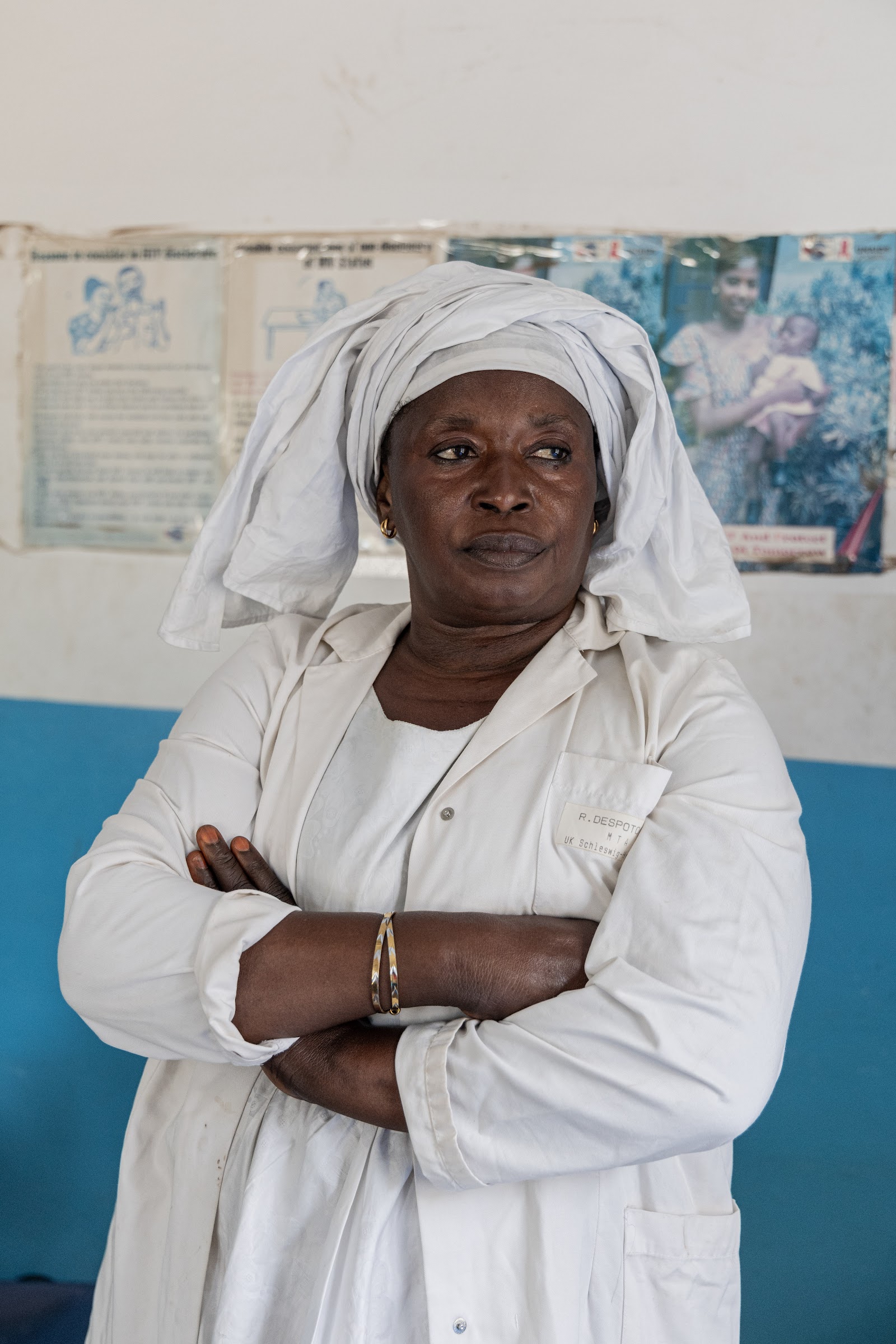
The Victims Reparations Act, 2023, established the legal basis for the Reparations Fund and the Victims Reparations Commission. The Act provides for monetary compensation and non-monetary forms of reparation, as well as the Commission’s functions, procedures and responsibilities.
The Commission is responsible for administering reparations within its statutory mandate. Its work must be understood separately from the PTU’s role in coordinating the broader implementation of the TRRC recommendations.

Why does reparation matter?
For many victims, the consequences of past violations have not ended with the transition to democratic governance. Physical injuries, psychological distress, disrupted livelihoods, family loss and the absence of answers may continue to shape everyday life.
Reparations cannot undo these experiences. They can, however, recognise the harm, provide appropriate forms of redress and affirm that victims’ rights remain part of the national response to past violations.
The process also raises important questions about accessibility, fairness, available resources and the participation of victims in decisions affecting them. Different people may have different needs, and meaningful reparation requires attention to those differences.
Reparations are one part of a wider transitional justice process. They complement accountability, truth-seeking, memorialisation and institutional reform, while retaining their own distinct purpose: to respond to the harm suffered by victims.
“Reparation is not simply about what a victim receives. It is about recognising what happened, acknowledging the harm and taking meaningful steps to address its consequences.”