8 min read Reparations

Healthcare, Rehabilitation, and Psychosocial Recovery

Explore the significance of medical care, psychosocial support, legal assistance and other measures that respond to the continuing effects of violations.

Post-TRRC Unit Logo

Post-TRRC Unit

Health & Psychosocial Division · Ministry of Justice

Share
Participants and healthcare counselors gathered at a national trauma rehabilitation session.
Photo: Post-TRRC Unit / Ministry of Health, The Gambia

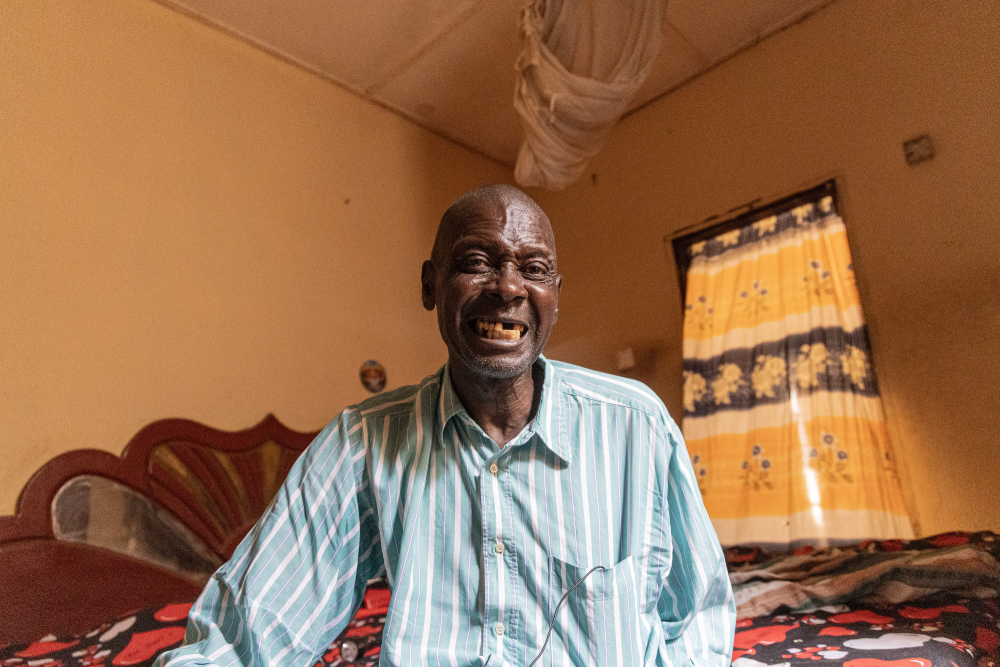
Healing the enduring effects of violence and trauma

For survivors of torture, sexual violence, and arbitrary incarceration, the trauma did not conclude with the political transition. Permanent physical disability, chronic ailments, and debilitating psychological distress continue to impact daily life. Rehabilitation addresses these persistent consequences through sustained, compassionate medical and psychosocial services rather than one-time monetary disbursements.

“Rehabilitation acknowledges that healing is an ongoing journey requiring institutional commitment, dignity, and specialised clinical care.”
Healing the enduring effects of violence and trauma
Reparations Archive · Ministry of Justice

Psychosocial support and collective healing

Trauma extends beyond the direct survivor into families and communities. The absence of closure, coupled with societal stigma surrounding certain violations, demands community-level psychosocial support. The framework prioritises culturally attuned, survivor-centred counselling, trauma-informed therapy, and safe peer-support platforms across all seven administrative regions.

Tags: #Rehabilitation #Psychosocial Support #Medical Care #Trauma Recovery #Non-Monetary Redress