Creating Trauma-Informed Community Spaces for Healing and Recovery
Material compensation is vital, but psychological recovery is what restores human dignity. How peer-led support groups in Brikama are helping victims navigate deep generational trauma and emotional wounds.
Post-TRRC Unit · Ministry of Justice, The Gambia
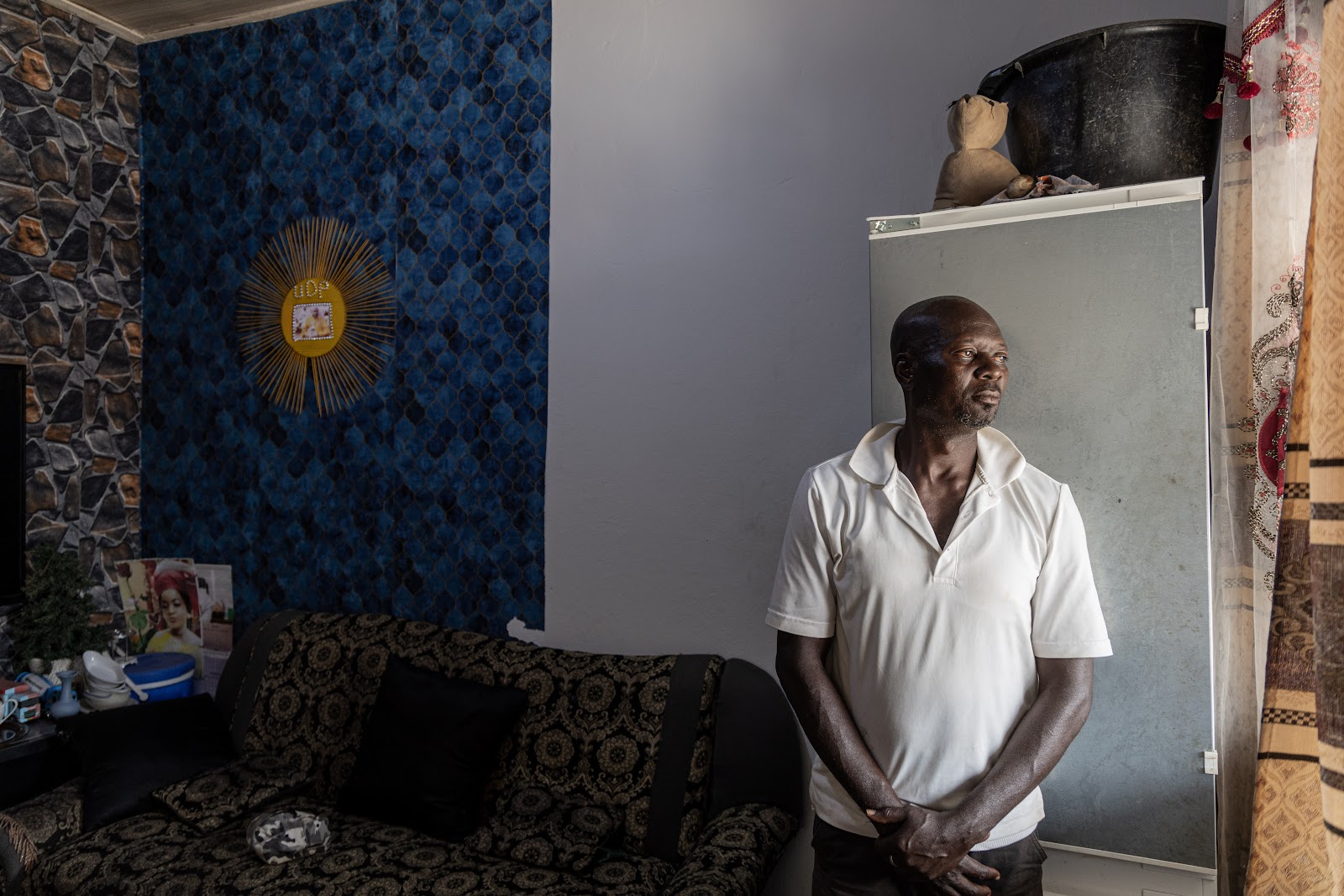
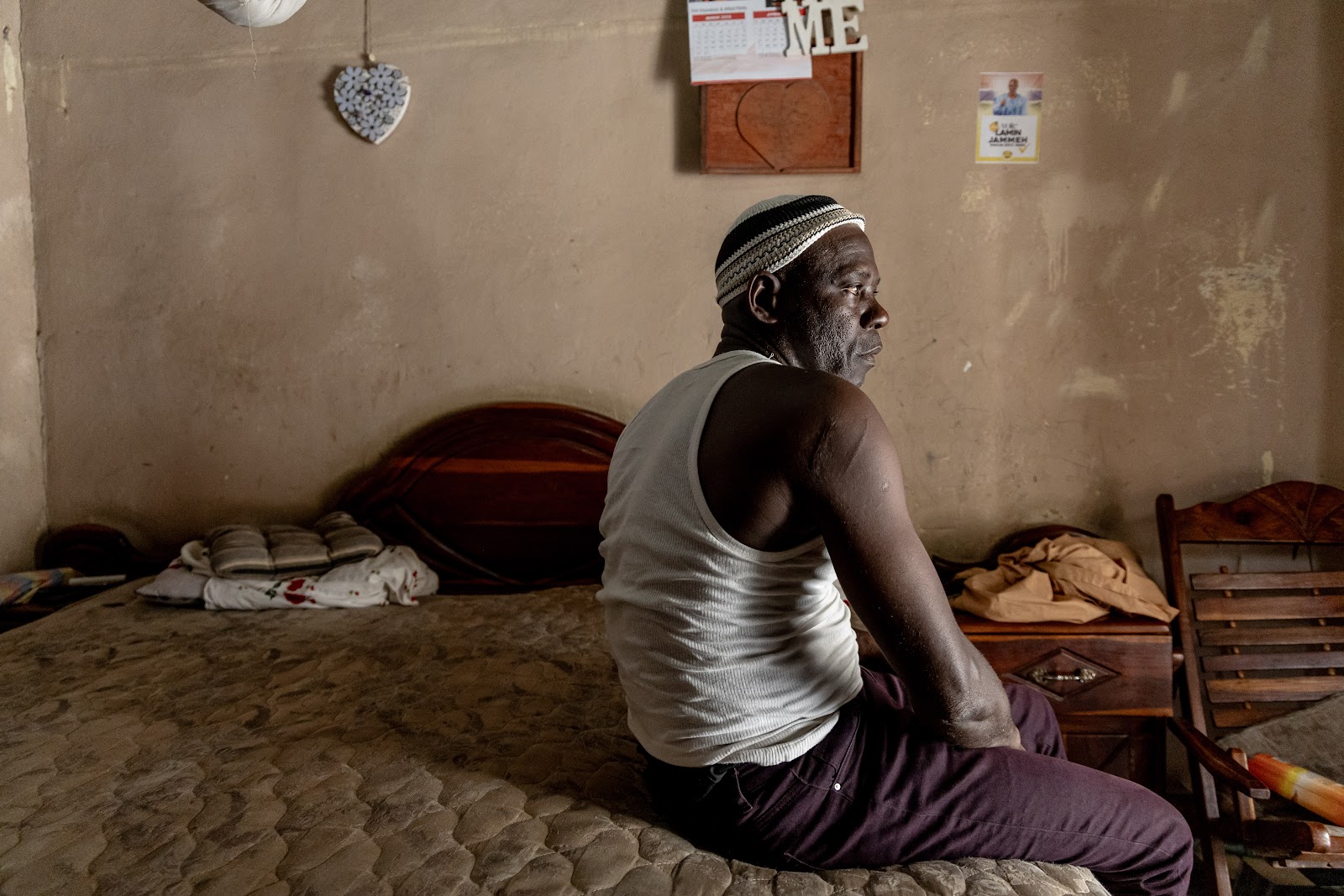
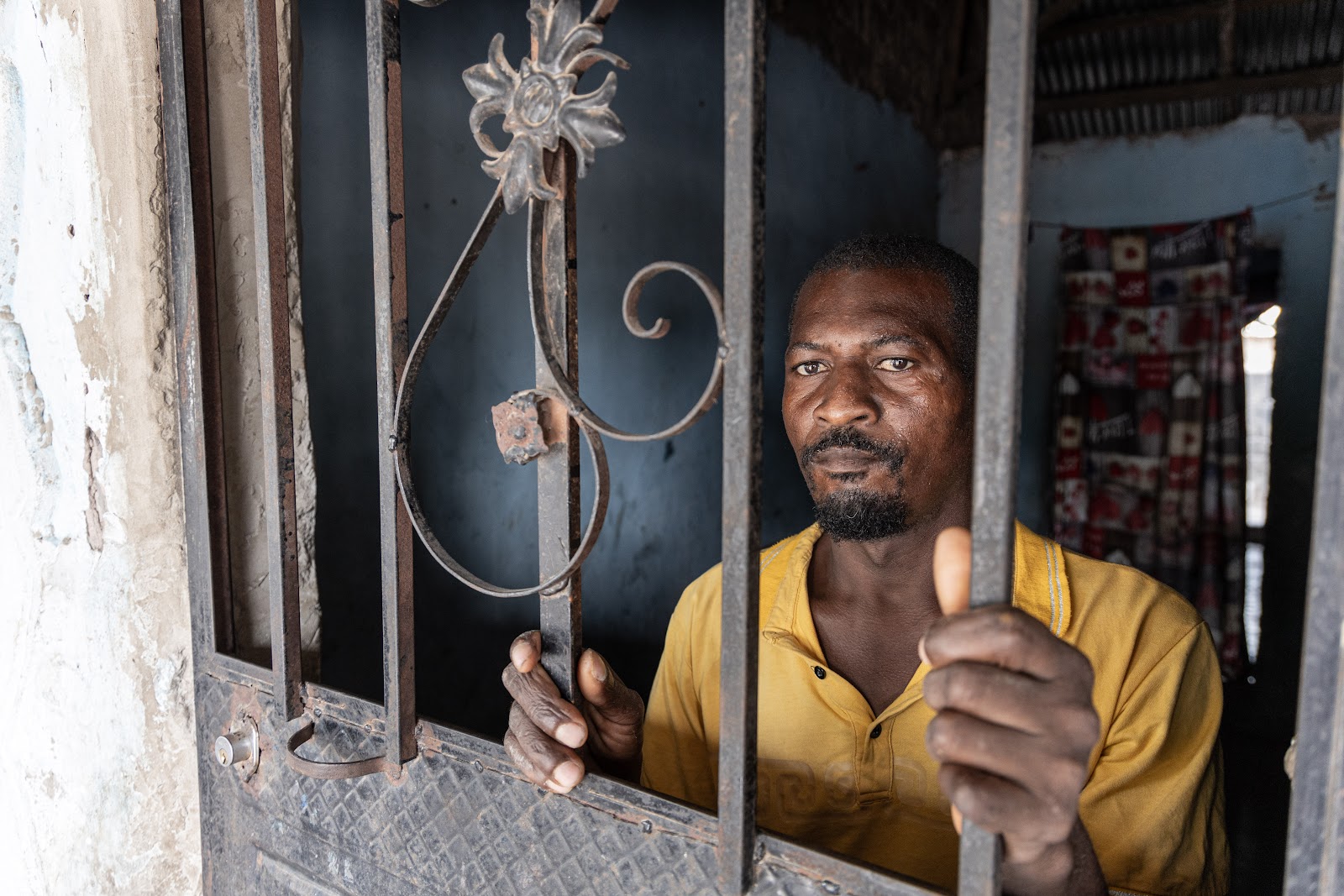
While financial compensation often dominates public discussions about reparations, survivors frequently emphasize that emotional validation and psychosocial recovery are equally urgent. Physical injuries heal over time, but the psychological scars of torture, arbitrary detention, and forced disappearance persist across generations.
In our ongoing pilot initiative in Brikama, we have established confidential survivor support circles facilitated by certified clinical psychologists and trained peer mentors. These circles provide safe, judgment-free environments where survivors can articulate their trauma without fear of public stigma or disbelief.
One of the most powerful discoveries from these sessions is the efficacy of collective narrative sharing. When survivors realize they are not alone in their post-traumatic anxiety and insomnia, the isolation that has burdened them for decades begins to lift. Collective solidarity becomes a catalyst for individual emotional resilience.
Integrating psychosocial support into the broader statutory framework of the Victims Reparations Act 2023 remains one of our primary objectives. Redress must treat the whole person, restoring physical health, emotional peace, and social standing in equal measure.